Producing a professional video involves more than hiring a camera crew and arranging a shooting schedule.
Businesses must consider creative development, personnel, equipment, locations, editing, and distribution before committing to a production budget. For companies working with a video production company Jakarta, understanding how these expenses interact can make the difference between a well-executed campaign and a project that becomes unnecessarily expensive.
The key is not always to spend less. It is to direct available resources toward the elements that contribute most to the final result. A carefully planned production can maintain strong visual quality while avoiding expenses that offer little additional value.
Set a Clear Floor and Ceiling
Before requesting proposals, establish the minimum and maximum amounts your business can realistically allocate. This gives potential production partners a useful framework for developing concepts, selecting equipment, and recommending an appropriate crew size.
A defined budget also helps prevent misunderstandings later. For example, a modest corporate profile video and a cinematic television commercial have different production requirements, even if both feature the same company. Sharing your financial limits early allows the production team to suggest achievable alternatives instead of developing a concept that exceeds your resources.
It is equally important to communicate your priorities. If the video depends on convincing performances, allocate sufficient funds for casting and direction. If the main objective is demonstrating a product, lighting, camera movement, and detailed product shots may deserve greater attention.
Invest Early in Pre-Production
Pre-production is where many expensive problems can be prevented. Activities such as script development, storyboarding, location scouting, casting, and scheduling establish how the production will operate before filming begins.
Skipping these preparations may appear to save money initially, but the consequences can be costly. An incomplete script might require additional shooting hours, while an unsuitable location could introduce unexpected rental fees or logistical complications. Last-minute creative changes can also disrupt the schedule and increase crew expenses.
A practical approach is to approve the creative direction, shot list, talent requirements, and filming schedule before the shoot date. When everyone understands what must be captured, the production team can work more efficiently and spend less time resolving avoidable issues on set.
Consolidate Deliverables in One Shoot
Businesses frequently need several versions of the same video for different marketing channels. A brand campaign, for instance, might require a primary commercial, shorter digital advertisements, vertical social media clips, and supplementary footage for future promotions.
Instead of organizing separate shoots for every format, discuss all required deliverables during the initial planning stage. A coordinated shooting schedule can capture additional footage, alternative framing, and different calls to action while the crew and equipment are already in place.
However, efficiency depends on preparation. Vertical and horizontal formats have different framing requirements, and certain platforms may need shorter edits or alternative messaging. These details should be incorporated into the shot list rather than treated as afterthoughts.
Planning multiple deliverables together can reduce repeated setup costs and help businesses obtain more usable content from a single production day.
Watch Out for Hidden Costs
A quotation that looks inexpensive may not represent the complete cost of a project. Some proposals exclude expenses that become necessary once filming or post-production begins.
Before approving a quotation, ask for an itemized breakdown covering the following:
- Talent and usage rights:
Actor fees may not automatically include unlimited commercial usage or every distribution channel. Music and licensing: Commercially usable music, stock footage, and other third-party assets may require additional fees.
- Location expenses:
Studio rentals, location permits, security, and venue restrictions can affect the final amount. Transportation and logistics: Moving equipment, transporting crew members, and arranging accommodation for distant locations may increase production costs.
- Post-production revisions:
Clarify how many editing rounds are included and what additional changes will cost. Taxes and contingency: Confirm applicable taxes and reserve funds for reasonable unexpected expenses.
Comparing quotations becomes much easier when each provider explains what is included and what remains chargeable. The lowest initial price is not necessarily the most economical choice if essential services are billed separately.
Optimize Location Choices
Jakarta offers a variety of filming environments, but moving between locations can consume both time and money. Traffic conditions, parking arrangements, equipment transportation, and setup requirements can quickly reduce the time available for filming.
Whenever the concept allows, consider using one versatile location for several scenes. An office, rented studio, or controlled indoor environment may provide enough visual variety through changes in lighting, camera angles, set dressing, and background arrangements.
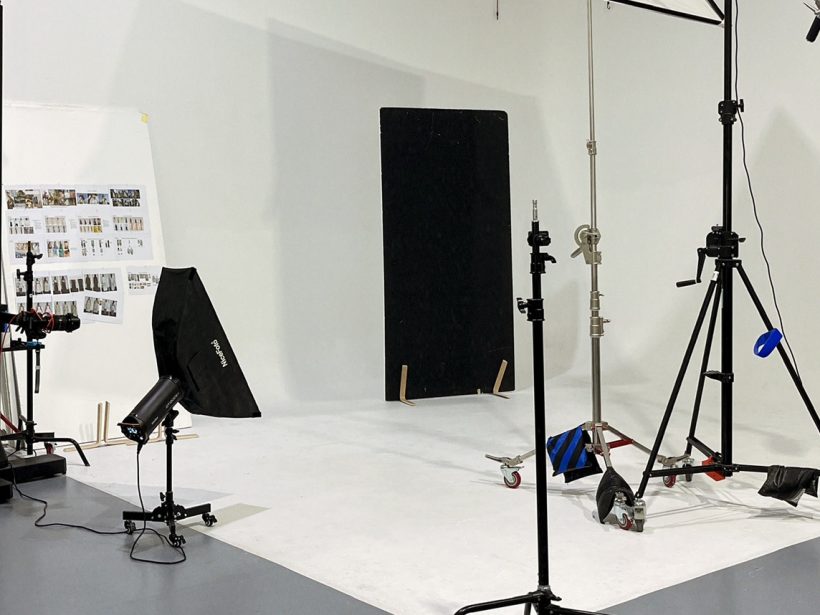
A production house with access to an in-house studio may also help simplify logistics, particularly for interviews, product demonstrations, and controlled commercial setups.
Outdoor locations remain valuable when they contribute something essential to the story. The goal is not to eliminate location changes entirely, but to ensure that every additional location provides a clear creative benefit that justifies its cost.
Prioritize Key Crew Roles
Equipment matters, but expensive cameras alone do not guarantee a compelling video. The people responsible for creative decisions, cinematography, lighting, and execution have a substantial influence on the final product.
When allocating resources, prioritize an experienced director and director of photography whose work aligns with your brand’s objectives. Their expertise can help determine the right visual approach, organize efficient shots, and make better use of the equipment available.
This does not mean every project needs a large crew or premium equipment package. A smaller production may work perfectly well with a lean team and a carefully selected camera setup. The appropriate combination depends on the script, shooting conditions, delivery requirements, and expected quality.
For businesses evaluating production proposals, reviewing relevant portfolios and asking about the team’s specific responsibilities can reveal more than comparing equipment lists alone.
Make Your Production Budget Work Harder
An effective video budget connects creative ambition with measurable business priorities. Before signing a contract, review the complete scope, confirm the deliverables, identify possible additional charges, and ensure that the schedule allows enough time for filming and editing.
If you are comparing options for your next campaign, working with a video production company Jakarta that understands both creative execution and budget management can help you make more informed decisions.
For businesses seeking a production partner, SNXP Studio is worth exploring as a potential starting point for discussing your project’s objectives, production requirements, and budget. A clear brief and realistic expectations will help you evaluate whether the proposed approach delivers the right balance of quality, efficiency, and value.
Read More